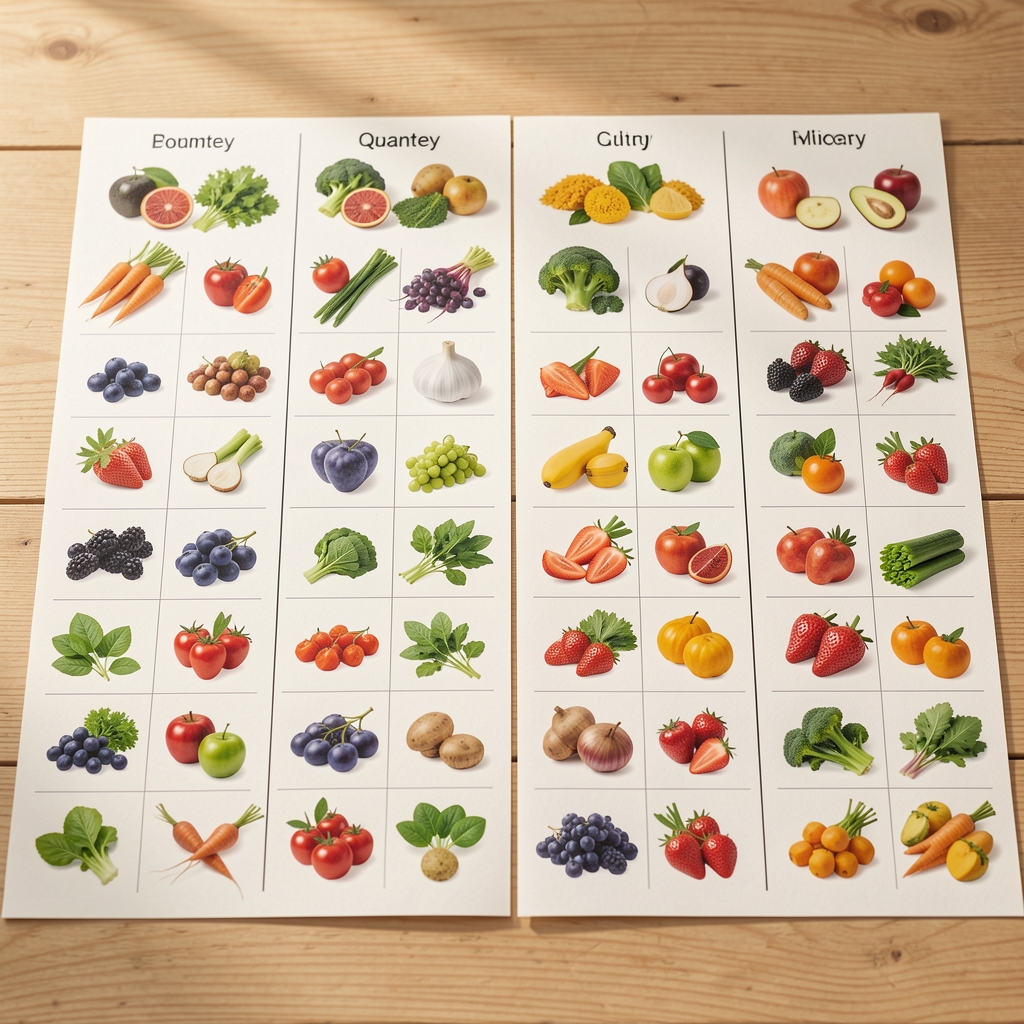
Mapping the Nutrition Day
The Olbek methodology is a documented process — not a philosophy, and not a brand position. It describes how a programme is conducted, what each stage involves, and what evidence-based principles underpin the decisions made at each point.

Seven-stage programme sequence
Initial Eating Record Intake
Before the first session, participants complete a written eating record covering a representative seven-day period. This is not a food diary in the quantified sense — no calorie counting or macro-tracking is required. The record captures meal timing, composition by food group, preparation method, and any notable departures from the usual pattern (travel, social eating, restricted availability).
Nutritional Pattern Analysis
The eating record is reviewed by the specialist prior to the first session. The analysis identifies the primary structural features of the current daily pattern — the composition of main meals, the role of between-meal eating, the distribution of protein, complex carbohydrates, and plant matter across the day, and any notable absences. This stage produces the initial map that the first session is built around.
Priority Adjustment Identification
From the pattern analysis, the three to five highest-leverage adjustments are identified — the changes that would produce the most significant improvement in the overall nutritional composition of the daily pattern, in exchange for the least disruption to established routines. These are ranked by expected impact and practical feasibility, and form the initial adjustment schedule for the programme.
Adjustment Introduction & Contextualisation
Each adjustment is introduced in a dedicated session segment, with a clear practical description of what changes and the nutritional reasoning behind it. The contextualisation step is important: participants who understand why a change is being made are substantially more likely to sustain it beyond the programme period. The reasoning is drawn from published nutritional research and is pitched at a level of detail appropriate to the participant's existing food literacy.
Between-Session Observation Period
Between sessions — typically a fortnight or a month depending on the programme format — participants maintain a brief eating record focused specifically on the introduced adjustments. This does not require the comprehensive detail of the initial intake record. It captures whether the adjustment was applied, any practical barriers encountered, and any notable observations about appetite, energy, or meal satisfaction. This record forms the material reviewed at the following session.
Review, Refinement & Next Adjustment
Each subsequent session opens with a structured review of the preceding observation period. The adjustment is assessed — whether it was applied consistently, partially, or not at all, and what the practical explanation for that outcome was. The adjustment is then either confirmed as embedded and replaced with the next one on the schedule, or refined and carried forward if consolidation requires more time. This iterative structure is the core of the Olbek approach.
Programme Closure & Documentation Handover
The final session closes the programme and hands over the complete documentation record. This record contains: a summary of the initial eating pattern analysis; the adjustment schedule in full, with the reasoning for each change; the observation record from each inter-session period; and a forward-looking eating reference that the participant can use independently. The handover session also identifies any areas where the participant has chosen not to make changes — a noted absence in the record, not a failure — and where they might return for further engagement in the future.
How ingredient guidance is built
When Olbek programmes include ingredient recommendations — seasonal produce guides, whole-food pantry lists, or gut-friendly recipe collections — those recommendations are developed according to a consistent set of sourcing principles.
Active ingredients in any supplementary guidance materials are selected based on published nutritional research and undergo independent batch verification for quality and labelling accuracy.
Active ingredients are sourced from documented suppliers, with each batch accompanied by a certificate of composition. Sourcing prioritises suppliers whose facilities maintain food-grade processing standards.
Ask about sourcing standardsIndependent verification
Ingredient profiles in Olbek guidance materials are selected based on published nutritional research and undergo independent batch verification for quality and labelling accuracy.
Regional origin mapping
Where possible, seasonal ingredient recommendations are mapped to their regional growing origin, supporting the nutritional reasoning around freshness and the reduced transit time associated with locally sourced produce.
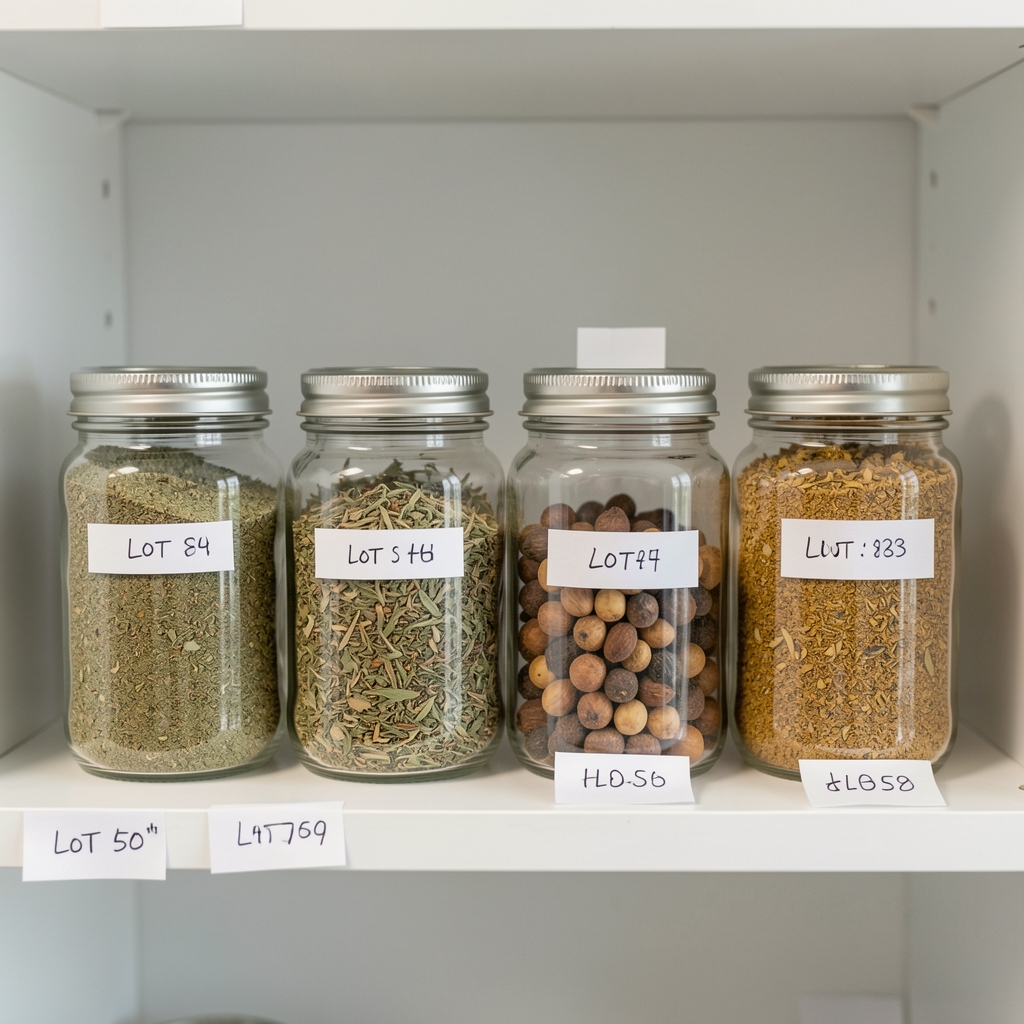
Lot record traceability
Supplementary guidance materials that reference specific ingredients include lot record references where available, supporting traceability back to the sourcing documentation held on file.
Food-grade processing standards
Sourcing prioritises suppliers whose facilities maintain food-grade processing standards, with each batch accompanied by a certificate of composition that confirms the ingredient profile matches the guidance recommendation.
The seasonal eating framework
Winter to Spring
Root vegetables, brassicas, stored legumes, early salad leaves. Focus on warming meal compositions, iron-supporting food pairings, and the gradual introduction of lighter preparations as the season advances.
Spring to Summer
Asparagus, peas, broad beans, early courgette, new potatoes, fresh herbs. The most nutritionally diverse seasonal window — emphasis on raw preparation, colour-plate diversity, and reducing reliance on stored or preserved produce.
Summer to Autumn
Tomatoes, aubergine, peppers, stone fruits, berries, summer squash, sweetcorn. High-antioxidant period — guidance focuses on maximising variety across the peak-season window, and building preserved and fermented stocks for the coming quarter.
Autumn to Winter
Squash, parsnip, celeriac, leeks, dark leafy greens, mushrooms, apples, pears. Emphasis on warming whole-grain compositions, gut-friendly fermented additions, and rebuilding the rhythm of home cooking after the lighter summer period.
The research basis
The Olbek methodology does not make claims that go beyond what published nutritional research currently supports. Adjustments recommended in programmes are informed by peer-reviewed research in human nutrition, dietary patterns, and habit formation.
Where the evidence base for a given adjustment is strong, this is noted in the contextualisation step of the session. Where it is preliminary or contested, that qualification is also noted. The aim is to build participants' own capacity to evaluate nutritional information, not to position the specialist as the sole authority on their eating decisions.
Third-party verified ingredient guidance
Ingredient profiles in Olbek guidance materials are selected based on published nutritional research and undergo independent batch verification for quality and labelling accuracy.
Published-research-informed adjustments
Every adjustment in the schedule is informed by peer-reviewed nutritional research. The research source is noted in the programme documentation record and made available to the participant on request.
Archive revision system
The Olbek methodology documentation is maintained under a revision numbering system. When published research produces results that materially change an adjustment recommendation, the methodology is updated and the revision is noted. Previous revisions are archived and available on request.
What the documentation record contains
Initial assessment record
A written summary of the initial eating pattern analysis — the structural features of the baseline daily pattern, the identified gaps, and the priority adjustment schedule. This section is completed before or at the first session and does not change during the programme.
Progressive session record
A living record updated at each session close, capturing: the adjustment reviewed, the observation period outcome, any refinements to the adjustment, and the next adjustment introduced. This accumulates into a complete account of the programme's development from start to close.
Personal eating reference
The forward-looking document produced at programme close — a practical reference the participant uses independently after the programme ends. It includes the embedded adjustments in summary form, the weekly menu framework, any seasonal ingredient guides relevant to the current quarter, and a note on the areas identified for potential future engagement.
About the methodology
The methodology is fully adaptable to vegetarian, vegan, and various allergen-restricted eating patterns. The initial eating record intake captures existing restrictions at the outset, and all adjustment recommendations are developed within those parameters. The seasonal eating framework is particularly well-suited to plant-forward dietary approaches, given the emphasis on vegetable and legume diversity.
The primary distinction is the observation-led, incremental structure. Many nutrition guidance approaches begin with a comprehensive overhaul — replacing the entire existing diet with a new model. The Olbek methodology begins with a careful observation of what already exists, identifies the adjustments with the highest leverage within that existing pattern, and introduces them one or two at a time. The result tends to be more durable because it asks less of the participant's habits at any single moment.
Building the participant's own food literacy is a secondary objective of every Olbek programme — secondary to making the specific adjustments, but consequential for long-term sustainability. The contextualisation step in each session is designed to transfer understanding, not just instruction. Participants who finish a programme with a genuine understanding of why their eating has changed are better equipped to make independent nutritional decisions in the years that follow.
London and other major urban centres have well-developed markets and retail channels for seasonal and regional produce. The seasonal eating guidance is calibrated to what is genuinely accessible in the London food environment — including specific market sources, supermarket seasonal ranges, and community-supported agriculture schemes where participants wish to use them. The framework is practical rather than aspirational.
Yes. The Active Lifestyle Nutrition Programme (Format 04) is designed specifically for this context. The adjustment schedule is developed around the participant's training pattern — timing food compositions to activity, addressing recovery nutrition, and managing energy distribution across training and rest days. The methodology's incremental approach is well-suited to the high-routine nature of regular sport and fitness training.